
Lighting · refrigerator · router · security
Essential home backup
Create a focused reserve for the household services that matter most.
Bring to your briefList actual watts and the number of backup hours.
Discuss this application ↗
Plan solar and battery backup for load shedding and other interruptions around essential circuits, evening demand and the reserve your home needs.
Regional solutions
South Africa
Start with what matters during an interruption: lights, refrigeration, connectivity and the equipment you rely on. Then match usable energy and inverter power to the backup window.
Find your starting point ↓Choose the closest application. We will refine the plan around your actual site.
Create a focused reserve for the household services that matter most.
Bring to your briefList actual watts and the number of backup hours.
Discuss this application ↗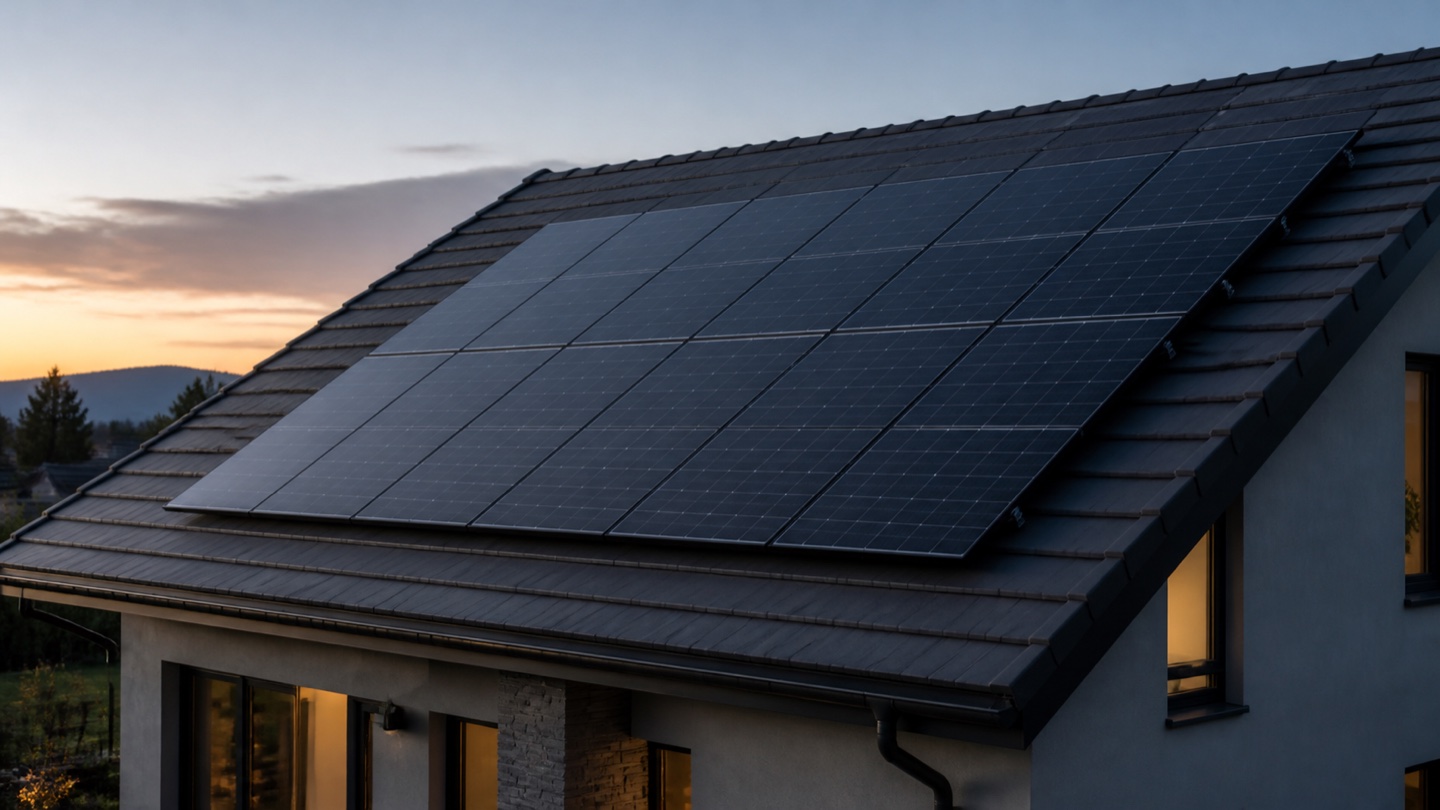
Use solar for daytime demand and preserve stored energy for selected evening circuits.
Bring to your briefShare solar capacity and your existing inverter model.
Discuss this application ↗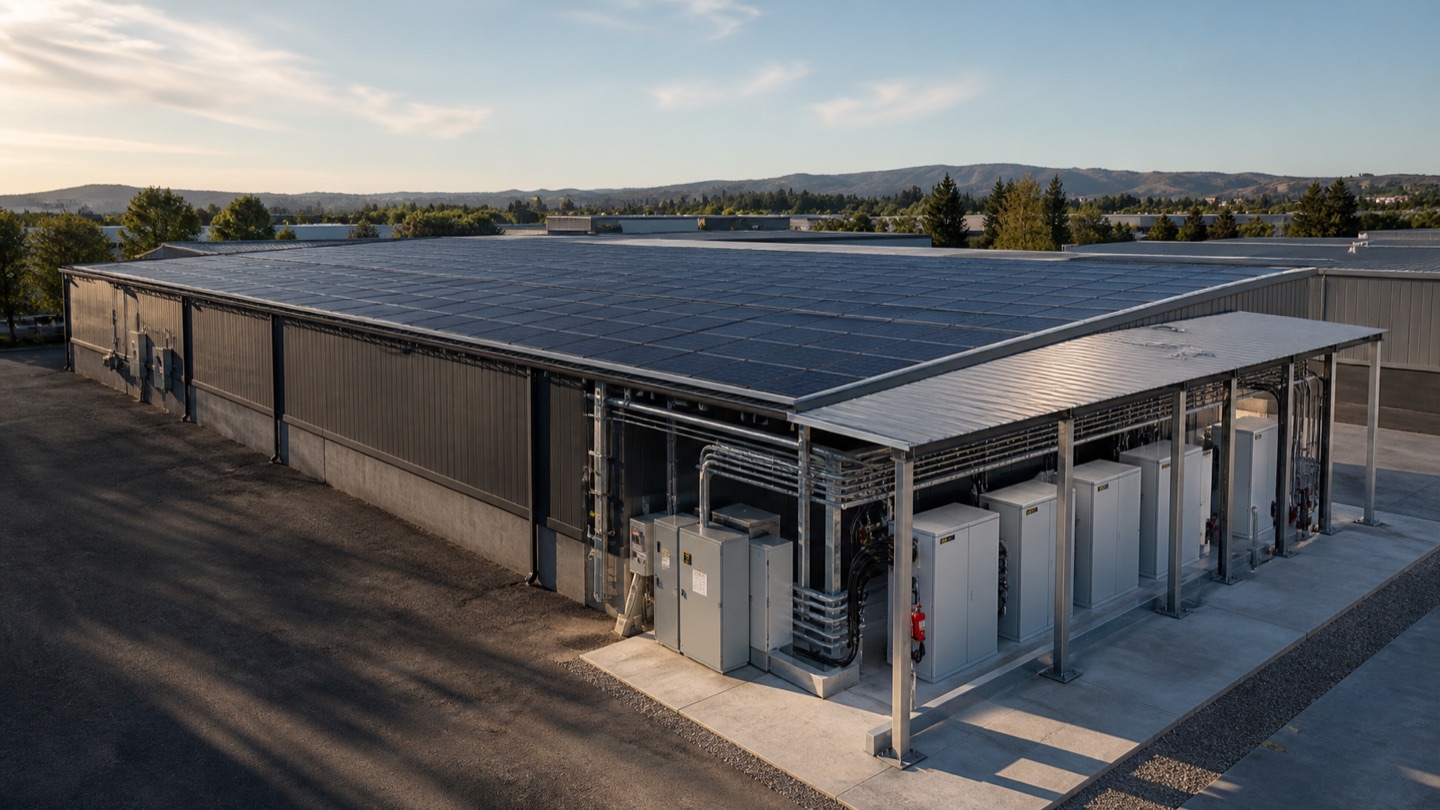
Plan continuity for communications and essential business equipment.
Bring to your briefSeparate critical circuits from heaters and large appliances.
Discuss this application ↗Application imagery illustrates system use; documented shipments are available in our delivery cases.
Explore how solar and storage work together. The operating strategy is tailored to your site and selected equipment.
 Illustrative energy scenario
Available solar serves current demand. Any battery recovery depends on the solar available and the system settings.
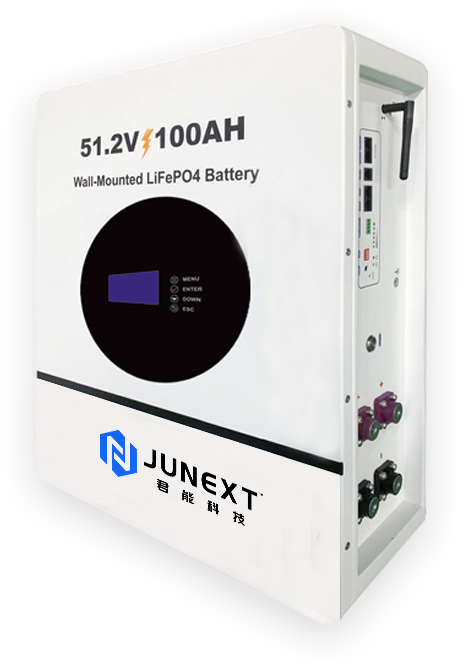
Use the models below to compare format and nominal energy. Your installer must confirm usable reserve, inverter compatibility, protection and final runtime.
Low-voltage ESSWall-mounted home battery
View specifications ↗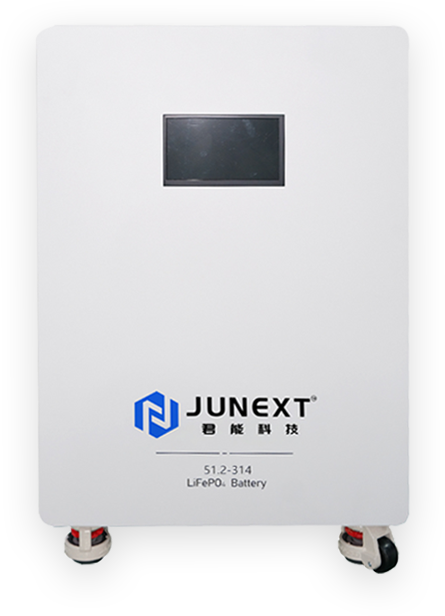 Low-voltage ESS
Wheeled floor-standing home battery
View specifications ↗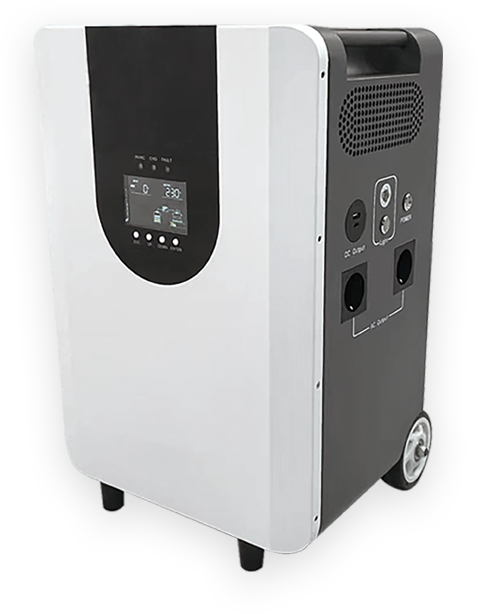 All-in-one solar generator
Portable all-in-one backup power
View specifications ↗Nominal product values are not a guaranteed backup runtime. Compare your actual loads with the selected equipment.
Open system configurator ↗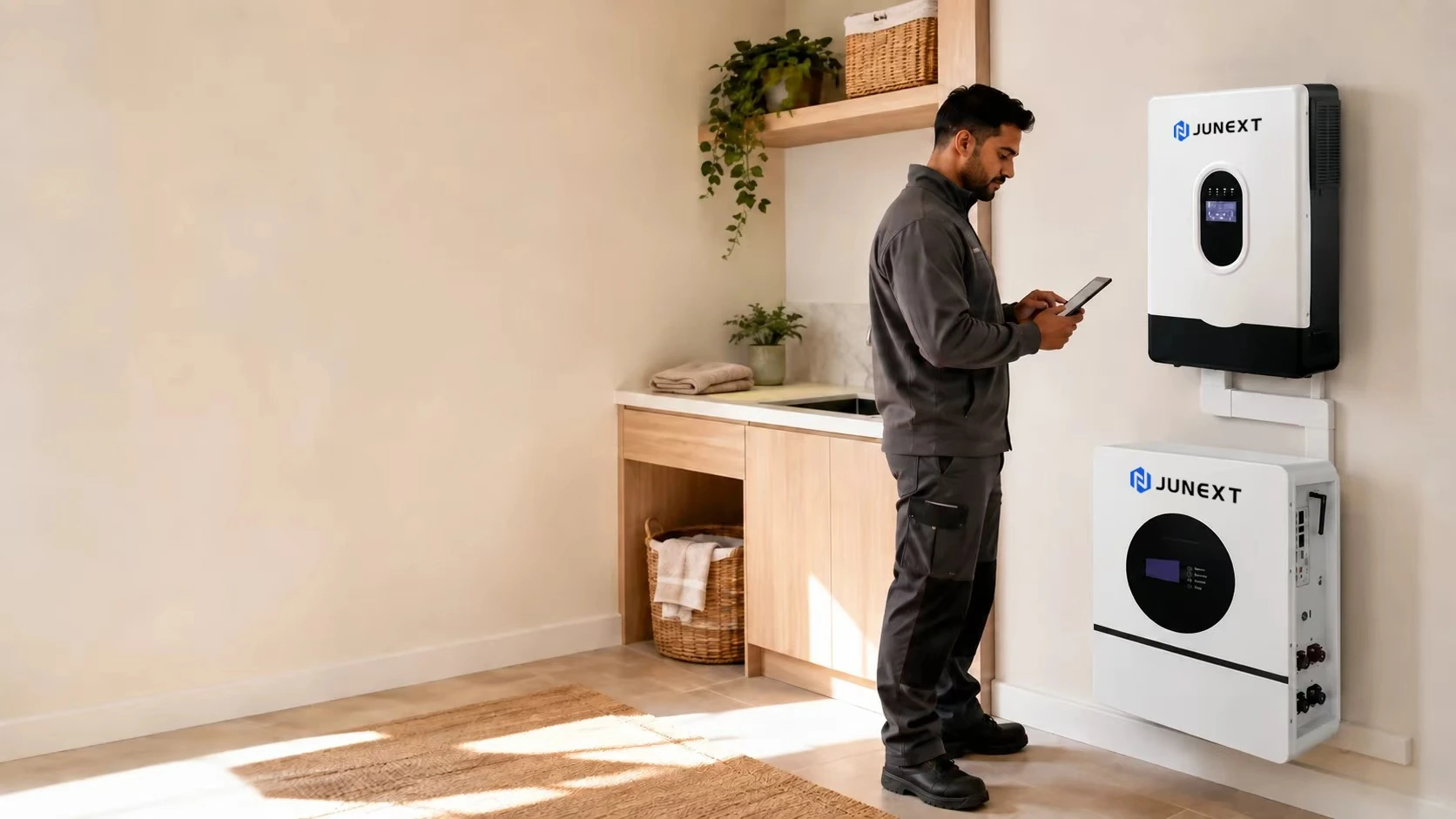
Separate lights, networking and refrigeration from high-demand appliances such as heaters and ovens.
Record inverter model, battery voltage, communication method and the required settings.
Define the reserve window and how solar or the grid will restore the battery between interruptions.
Review placement, protection, cable routes and the current datasheet, warranty and compatibility documentation.
Confirm placement, model limits, current datasheet, installation instructions and market warranty with the technical review.
Answers to help you prepare a more useful enquiry.
List the essential loads, expected watts and backup hours. Usable energy, conversion losses, reserve settings and appliance start-up demand all affect the final selection.
That depends on inverter output, wiring and the loads in use. A selected-circuit backup plan is often the first comparison; high-demand appliances need separate review.
Share the exact inverter model and firmware where available. Battery voltage, communication and operating settings must be checked against the current compatibility record.
Share your country, application and the power you need. Add a load or runtime estimate if you have one.
01 / We review the project information.
02 / We clarify product fit and missing details.
03 / You receive the next technical or quotation step.