
Refrigeration · lighting · home office
Solar-powered homes
Use daytime solar for household demand and store suitable surplus for the evening.
Bring to your briefShare a recent energy bill and the existing solar capacity.
Discuss this application ↗
Plan residential and small-business storage around the country, supply voltage, daily solar use and the loads you want to keep running.
Regional solutions
South America
Tell us the country and actual supply arrangement. Your daily routine, existing solar equipment and reserve target help turn a broad product search into a practical shortlist.
Find your starting point ↓Choose the closest application. We will refine the plan around your actual site.
Use daytime solar for household demand and store suitable surplus for the evening.
Bring to your briefShare a recent energy bill and the existing solar capacity.
Discuss this application ↗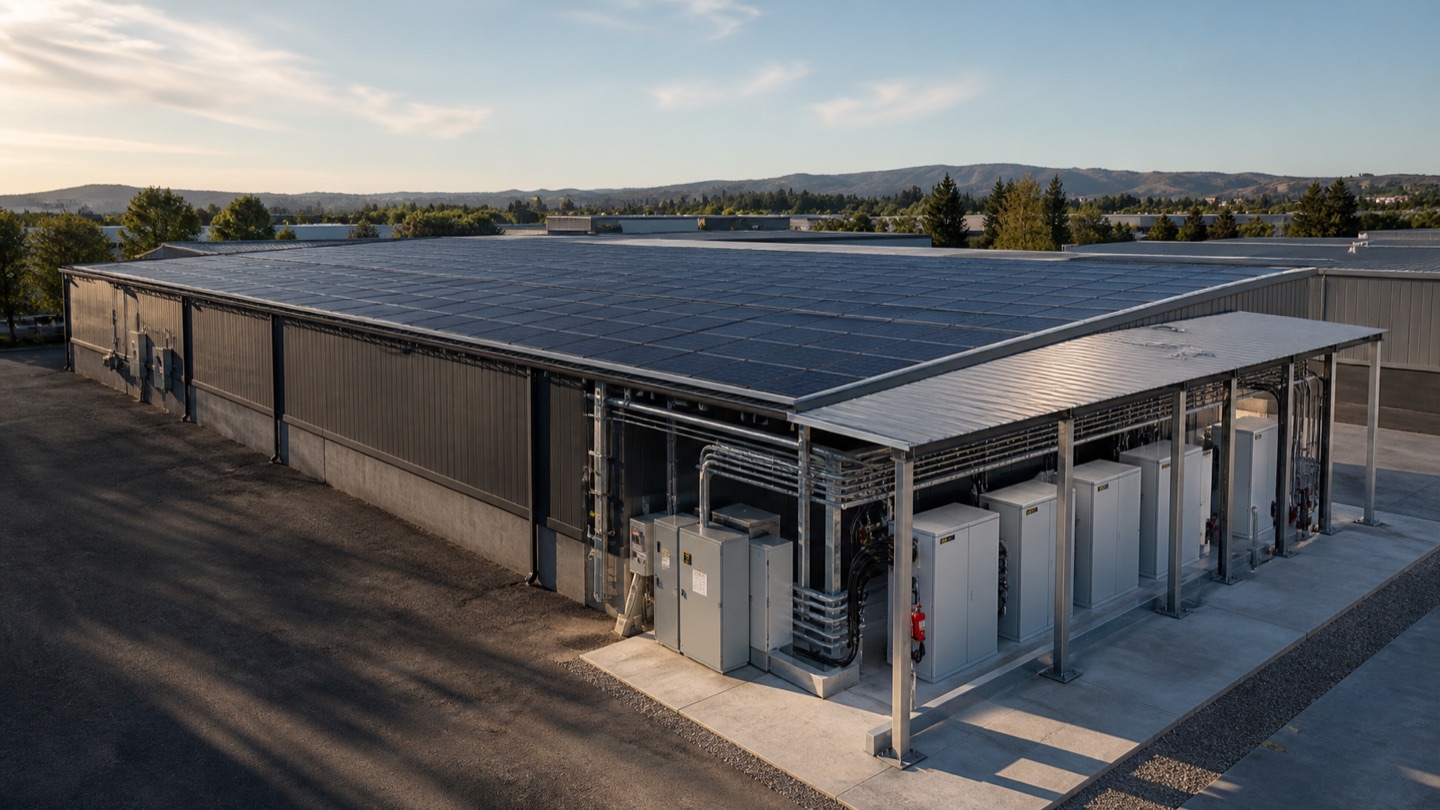
Plan priority circuits around the equipment your business needs during an interruption.
Bring to your briefList running power, start-up demand and desired runtime.
Discuss this application ↗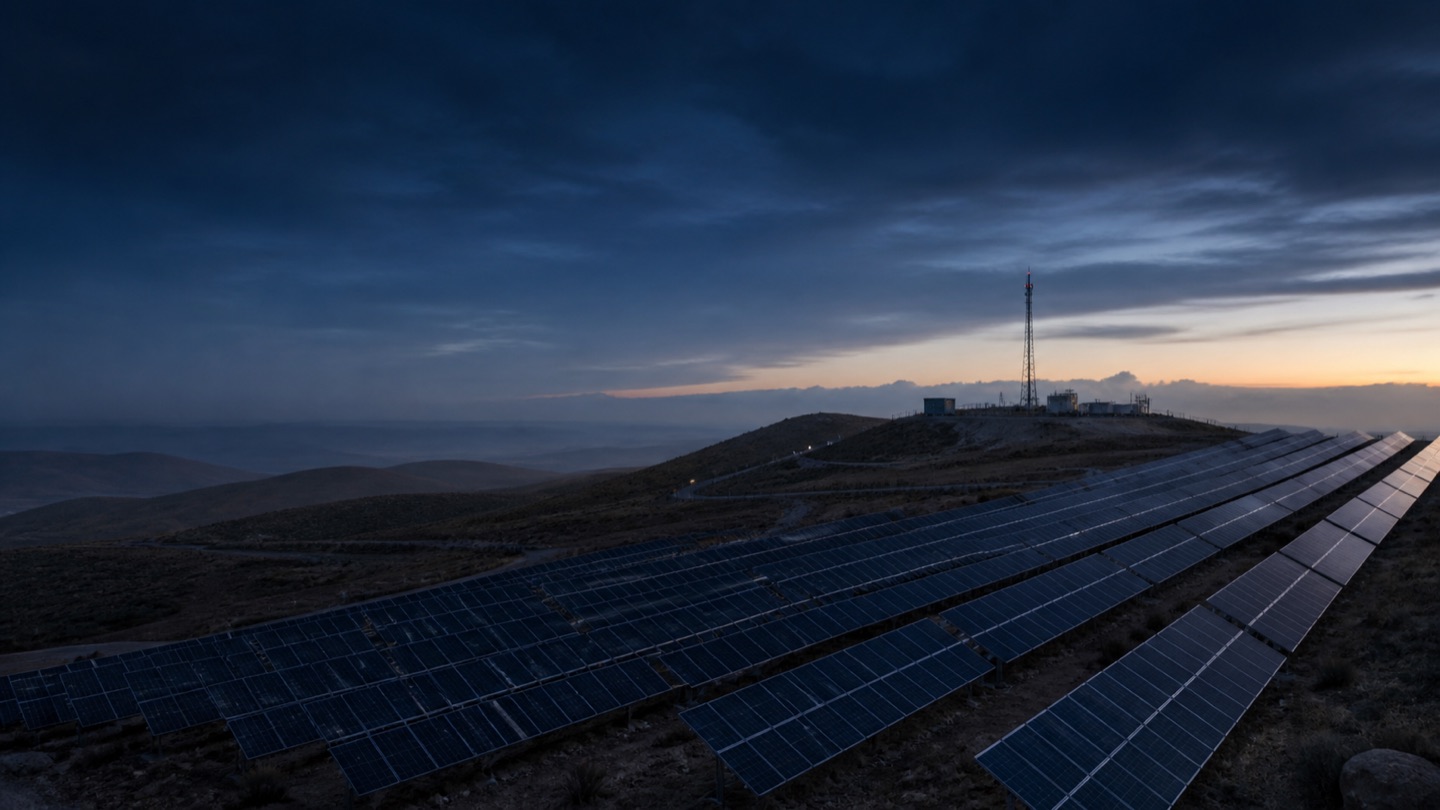
Review a reserve strategy for sites with limited grid access or long cable runs.
Bring to your briefConfirm actual voltage, phase and any generator supply.
Discuss this application ↗Application imagery illustrates system use; documented shipments are available in our delivery cases.
Explore how solar and storage work together. The operating strategy is tailored to your site and selected equipment.
 Illustrative energy scenario
Available solar serves current demand. Any battery recovery depends on the solar available and the system settings.
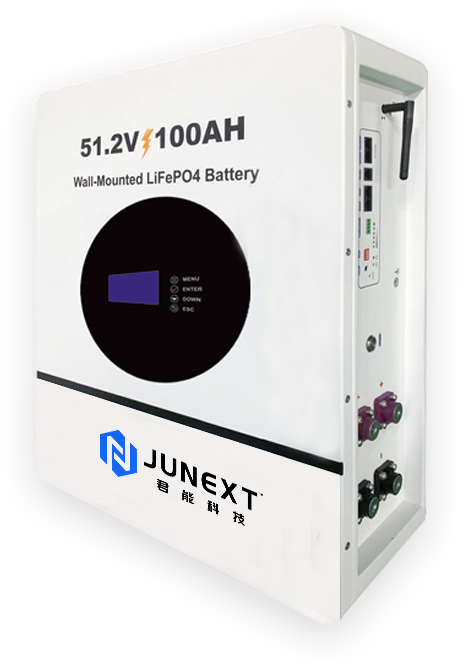
Grid arrangements differ by country and site. Battery capacity alone does not confirm suitability: verify inverter output voltage, frequency and phase before choosing a system.
Low-voltage ESSWall-mounted home battery
View specifications ↗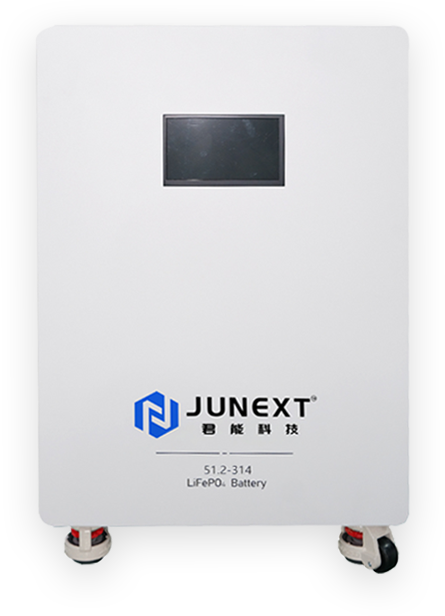 Low-voltage ESS
Wheeled floor-standing home battery
View specifications ↗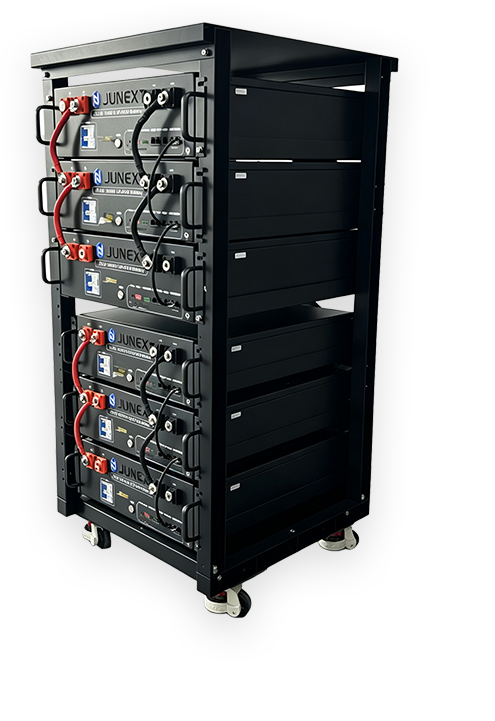 Low-voltage ESS
3U rack-mounted stackable battery
View specifications ↗Nominal product values are not a guaranteed backup runtime. Compare your actual loads with the selected equipment.
Open system configurator ↗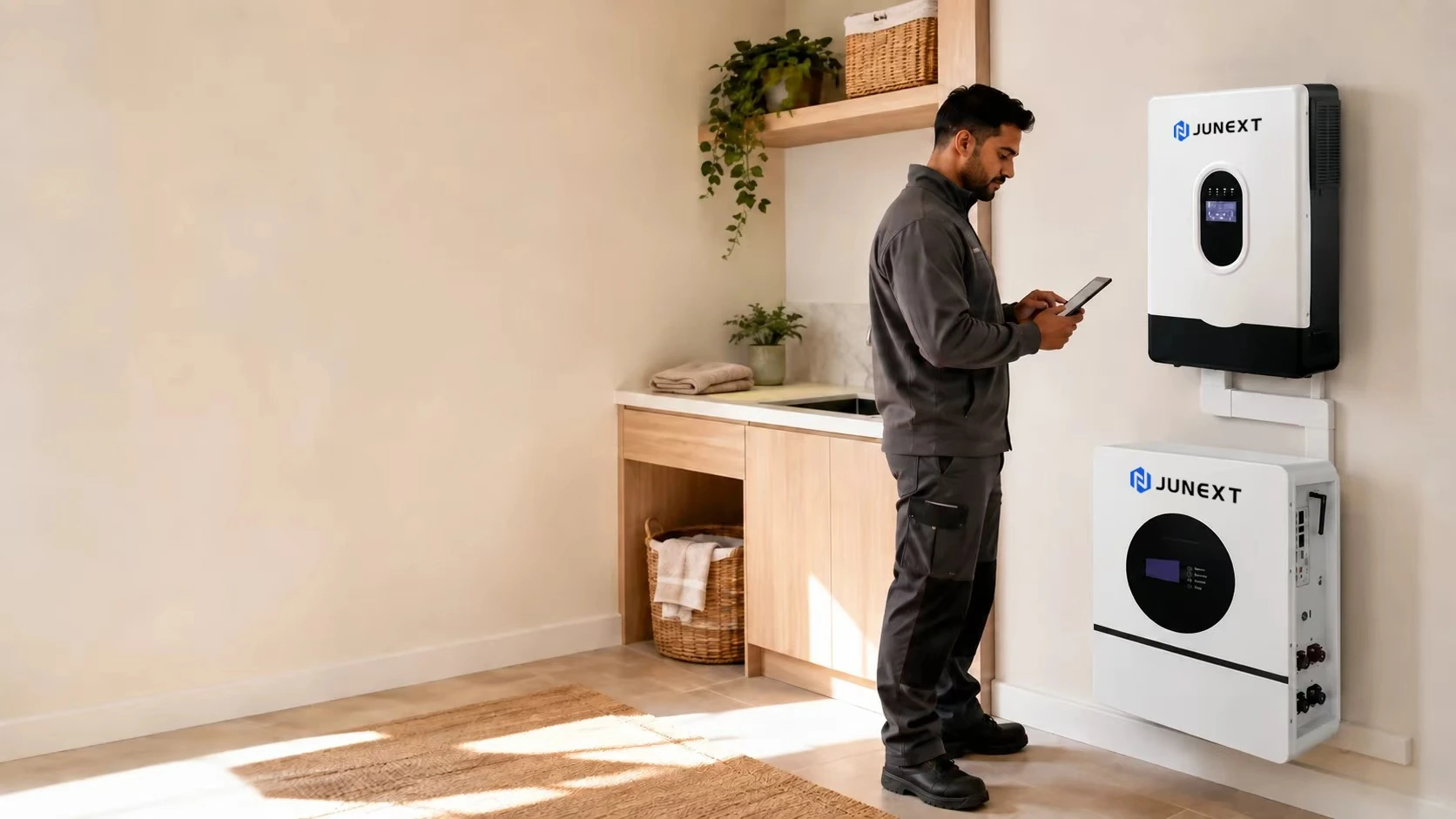
Send the actual service details. Do not assume a regional default or that every inverter supports your supply.
Share inverter model, PV capacity and how your utility treats self-consumption or export.
Record temperature, humidity, altitude where relevant, and the proposed protected installation location.
Build the reserve around selected circuits and their expected use during an outage.
Confirm placement, model limits, current datasheet, installation instructions and market warranty with the technical review.
Answers to help you prepare a more useful enquiry.
No. Confirm the exact voltage, frequency and phase with your installer, then review the selected inverter and battery together.
Share your inverter model, wiring arrangement and PV details. Compatibility and the appropriate coupling method must be checked before a battery is selected.
Export depends on the inverter, system settings and the utility’s local requirements. Confirm these for the actual site before making export part of the plan.
Share your country, application and the power you need. Add a load or runtime estimate if you have one.
01 / We review the project information.
02 / We clarify product fit and missing details.
03 / You receive the next technical or quotation step.