

Residential system direction
Home backup that starts with the load.
Separate essential circuits, account for surge demand and match usable battery energy to a realistic outage target.
Build this directionThe project question.
A useful backup system is not the largest battery or inverter available. It is the smallest reviewed architecture that can support the selected loads for the intended time, with enough surge headroom and a clear reserve policy.
A selected-load backup direction with visible assumptions for continuous power, start-up demand, battery energy, charging and future expansion.
A four-step design sequence.
Each step narrows the next decision and keeps the assumptions visible for installer and technical review.
- 01
Define essential loads
List the circuits that must remain available and separate them from high-demand appliances.
- 02
Calculate power demand
Add simultaneous continuous loads, then check the highest credible motor or compressor start-up demand.
- 03
Set backup time
Choose a practical outage target and retain a visible battery reserve instead of assuming full nameplate energy is usable.
- 04
Verify the architecture
Confirm voltage class, BMS communication, protection, installation conditions and local electrical requirements.
Harvest available daylight
Coordinate every source
Hold a visible reserve
Prioritise essential circuits
Inputs to bring.
- Essential load list in watts
- Largest start-up or surge load
- Target backup time
- Existing inverter or solar information
- Installation location and destination market
Checks before release.
- Continuous and surge power
- Usable battery energy
- Battery-to-inverter voltage
- Transfer behaviour
- Protection and priority circuits
Relevant product directions.
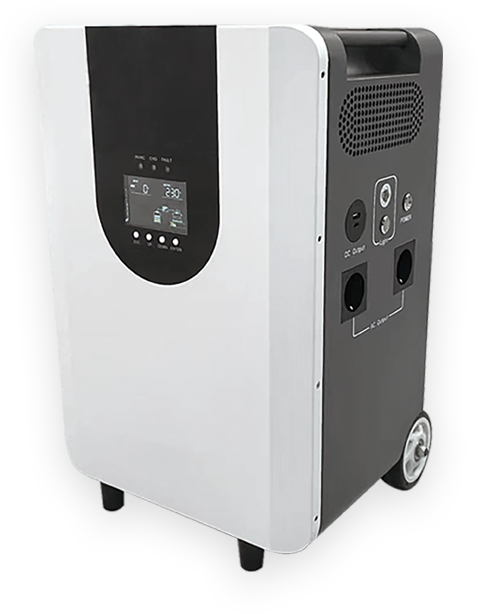
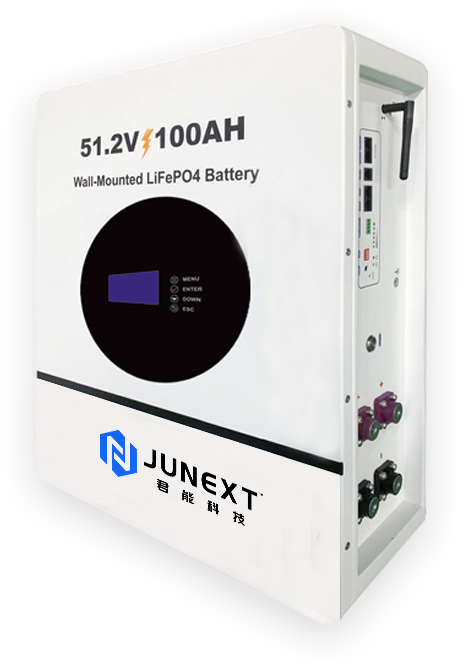
These products provide a starting point, not an automatic compatibility approval. Confirm the exact model revision and system architecture.

Turn this direction into a project brief.
Send the destination market, load list, surge demand, target runtime, PV information and installation context for model-specific review.
Build a project brief