
Low-speed power battery
JN64-150
64 V / 144 Ah / 9.216 kWh
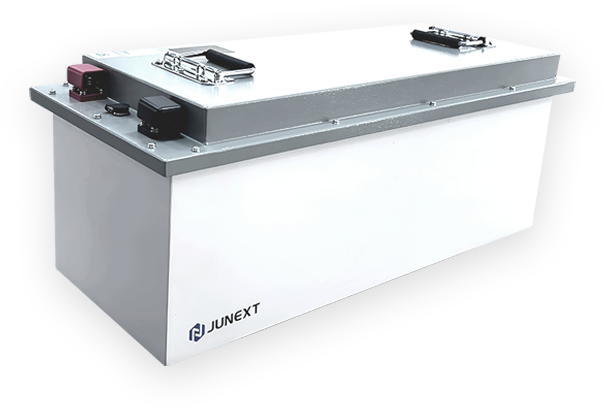
JUNEXT JN64-150 is a 64 V, 144 Ah LiFePO4 battery for low-speed mobility project evaluation. Its nominal energy is 9.216 kWh, calculated from the supplied voltage and capacity.
Public model: JN64-150. Supplied specification model: JN64-150. Model aliases were confirmed by the supplier. Capacity follows the specification, not digits in the model name. The supplied sheet contains inconsistent charging figures; request the corrected charge profile before use.
64 V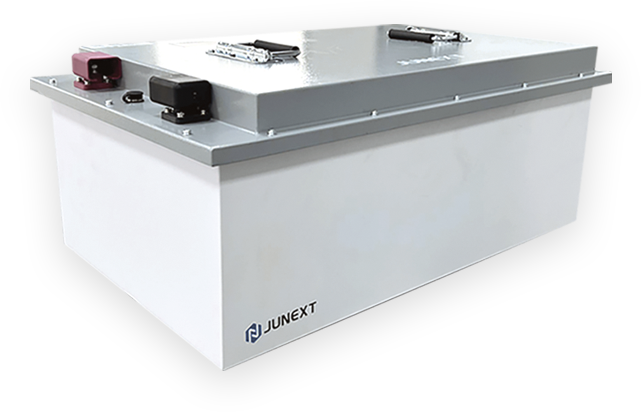
Nominal voltage64 V
Rated capacity144 Ah
Nominal energy (calculated)9.216 kWh
ChemistryLithium iron phosphate (LiFePO4)
9.216 kWh nominal energy for duty-cycle comparison
LiFePO4 chemistry with short-circuit protection described in the source
Enclosure and voltage checked against the vehicle controller
64 V LiFePO4 mobility battery.
Ready for the next review.
JUNEXT JN64-150 is a 64 V, 144 Ah LiFePO4 battery for low-speed mobility project evaluation. Its nominal energy is 9.216 kWh, calculated from the supplied voltage and capacity. Match the controller or vehicle electrical system, approved charging profile, terminal arrangement, protection settings and mounting space. Runtime and starting suitability require application-specific review.
- 144 Ah rated capacity documented in the supplied specification
- 9.216 kWh nominal energy for duty-cycle comparison
- LiFePO4 chemistry with short-circuit protection described in the source
- Enclosure and voltage checked against the vehicle controller
Typical applicationsMatch the format
Match the format
to the site.
01Low-speed electric vehicle projects
02Two- and three-wheel mobility evaluation
03Fleet battery replacement assessment
04OEM vehicle integration
Technical specifications.
Review the supplied values below before quotation, compatibility review or installation.
| Nominal voltage | 64 V |
|---|---|
| Rated capacity | 144 Ah |
| Nominal energy (calculated) | 9.216 kWh |
| Chemistry | Lithium iron phosphate (LiFePO4) |
| Specification model | JN64-150 |
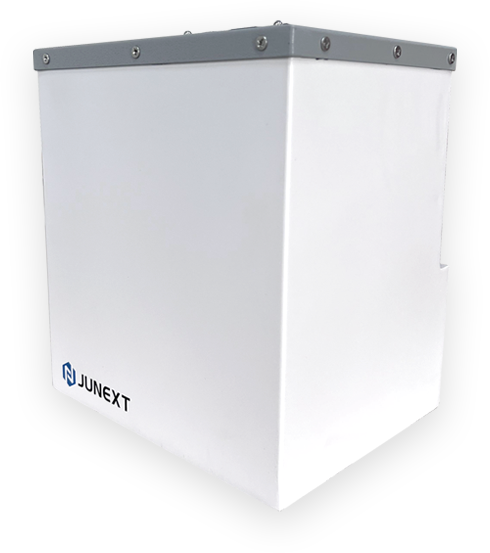
| Maximum dimensions (L × W × H) | 630 × 400 × 270 mm |
| Net weight | 77 kg |
| Charging method | Constant current / constant voltage; approved profile required |
| Installation approval | Vehicle, charger and protection review required |
Before you select.
What are the voltage and capacity of JN64-150?
The supplied specification states 64 V and 144 Ah. Their product is 9.216 kWh of nominal energy. Usable energy and runtime depend on the approved operating window, load, temperature and system losses.
Why does the specification use a different model name?
JN64-150 is the public model identifier supplied for this product. The corresponding specification identifies JN64-150. Match both references when requesting a quotation or a current production document.
Will this battery work with my vehicle controller?
Voltage alone does not establish compatibility. Provide the controller voltage range, continuous and peak current, charger profile, connectors, mounting space and duty cycle for review.
Can I connect this battery to a home solar inverter?
This product is presented in the mobility or vehicle range, not as an approved residential ESS battery. A matching voltage does not confirm BMS, charging or protection compatibility. Request a separate engineering review.
Which documents are available?
The supplied specification is available below and contains actual product parameters. Charging entries require clarification in a corrected revision. Request the latest approved specification and installation instructions before purchase or installation.
Technical resources
One model. One verified document set.
Supplied reference documents for JN64-150; confirm the latest approved production revision before use.
JN64-150 supplied specification (Chinese / English)DOCXRequest current datasheet REQUESTCheck vehicle compatibility REQUESTAsk for installation guidance REQUESTContinue through the range.
Compare products in the same battery or inverter direction before confirming the exact system architecture.
Is JN64-150 right for this project?
Share the vehicle model, charging system, duty cycle, required current and available mounting space for a fitment review.
Build a project brief