
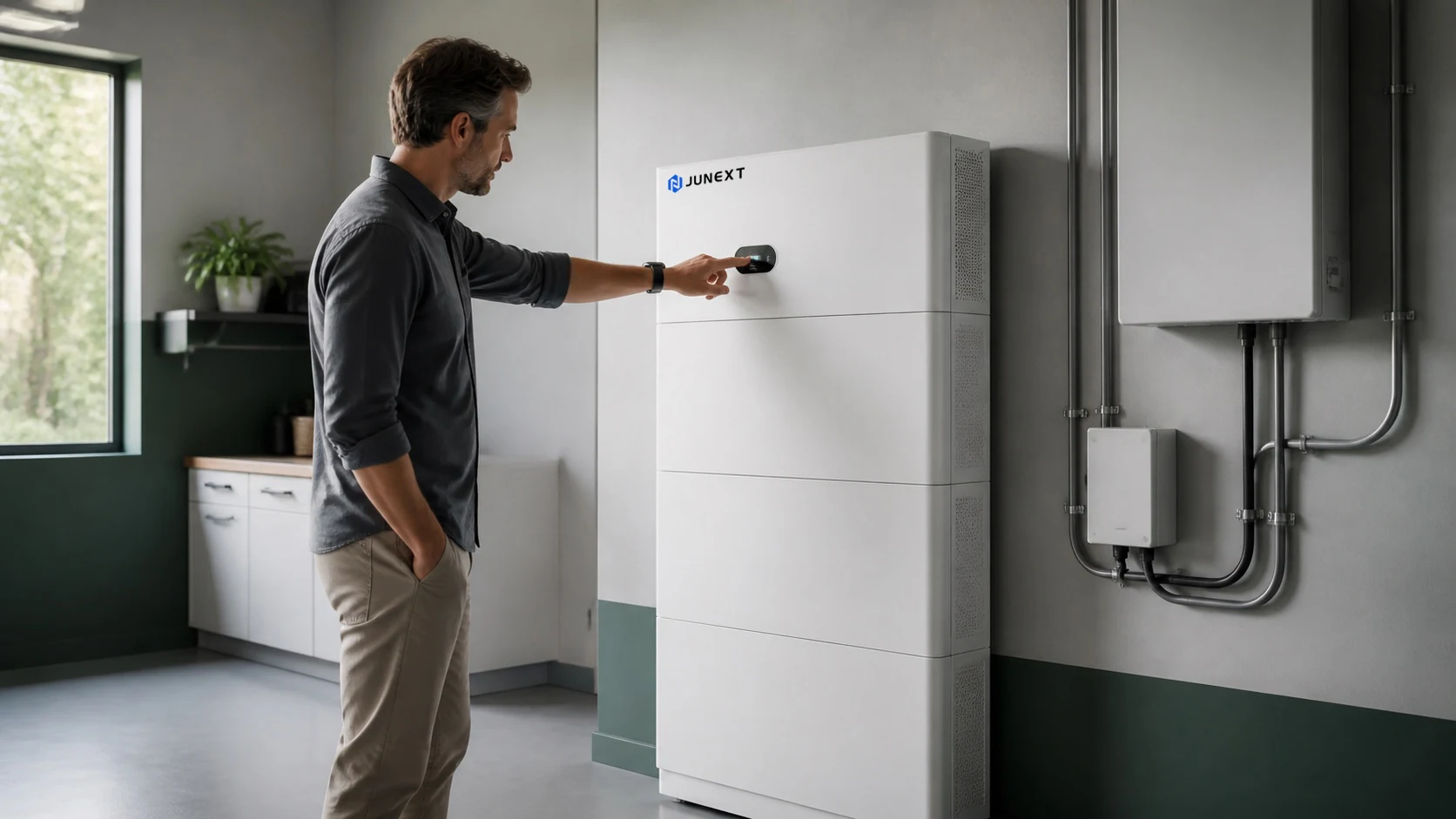
Residential system direction
Use more solar after the sun moves on.
Coordinate PV input, daytime demand, battery charging and evening loads as one transparent energy path.
Build this directionThe project question.
Solar storage begins with the household load profile. Daytime generation should first support current demand, while suitable surplus can charge the battery within the inverter and battery operating limits.
A solar-plus-storage direction that explains when energy is generated, stored and used, and which assumptions require an installer review.
A four-step design sequence.
Each step narrows the next decision and keeps the assumptions visible for installer and technical review.
- 01
Map daytime demand
Identify the loads already active during solar hours and the evening demand that storage may need to shift.
- 02
Review PV strings
Keep array voltage, current, open-circuit voltage and MPPT windows within the exact inverter limits.
- 03
Choose battery reserve
Balance daily cycling with the reserve needed for outages or off-grid operation.
- 04
Set operating priorities
Document whether the project prioritises self-consumption, backup reserve, grid charging or generator support.
Harvest available daylight
Coordinate every source
Hold a visible reserve
Prioritise essential circuits
Inputs to bring.
- Daily and evening energy use
- Existing or planned PV array
- Grid availability
- Backup reserve target
- Roof, climate and installation context
Checks before release.
- PV string window
- Charge-current limit
- Usable storage target
- Operating priority
- Export and local grid settings
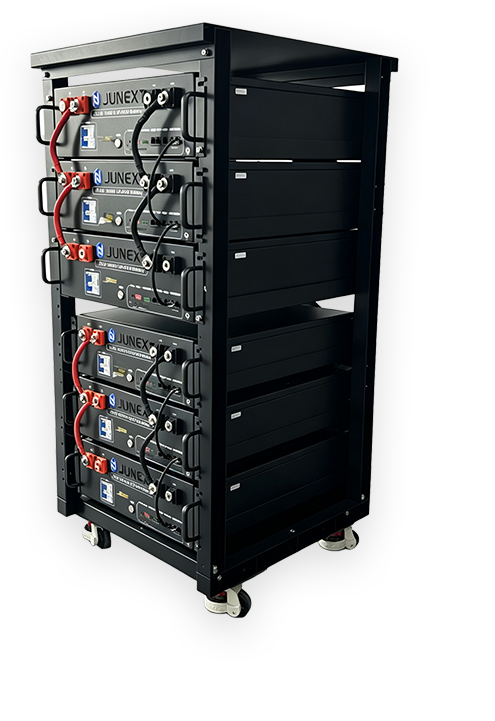
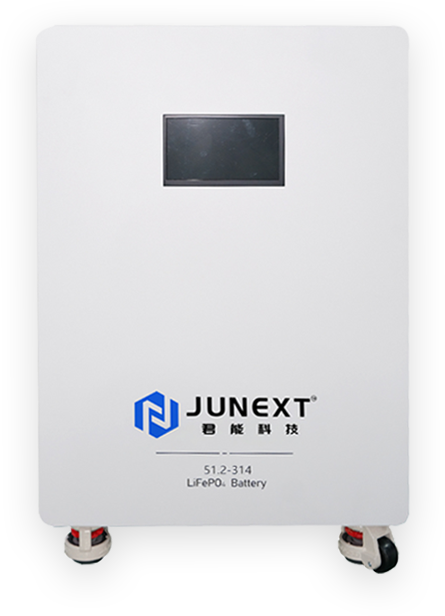
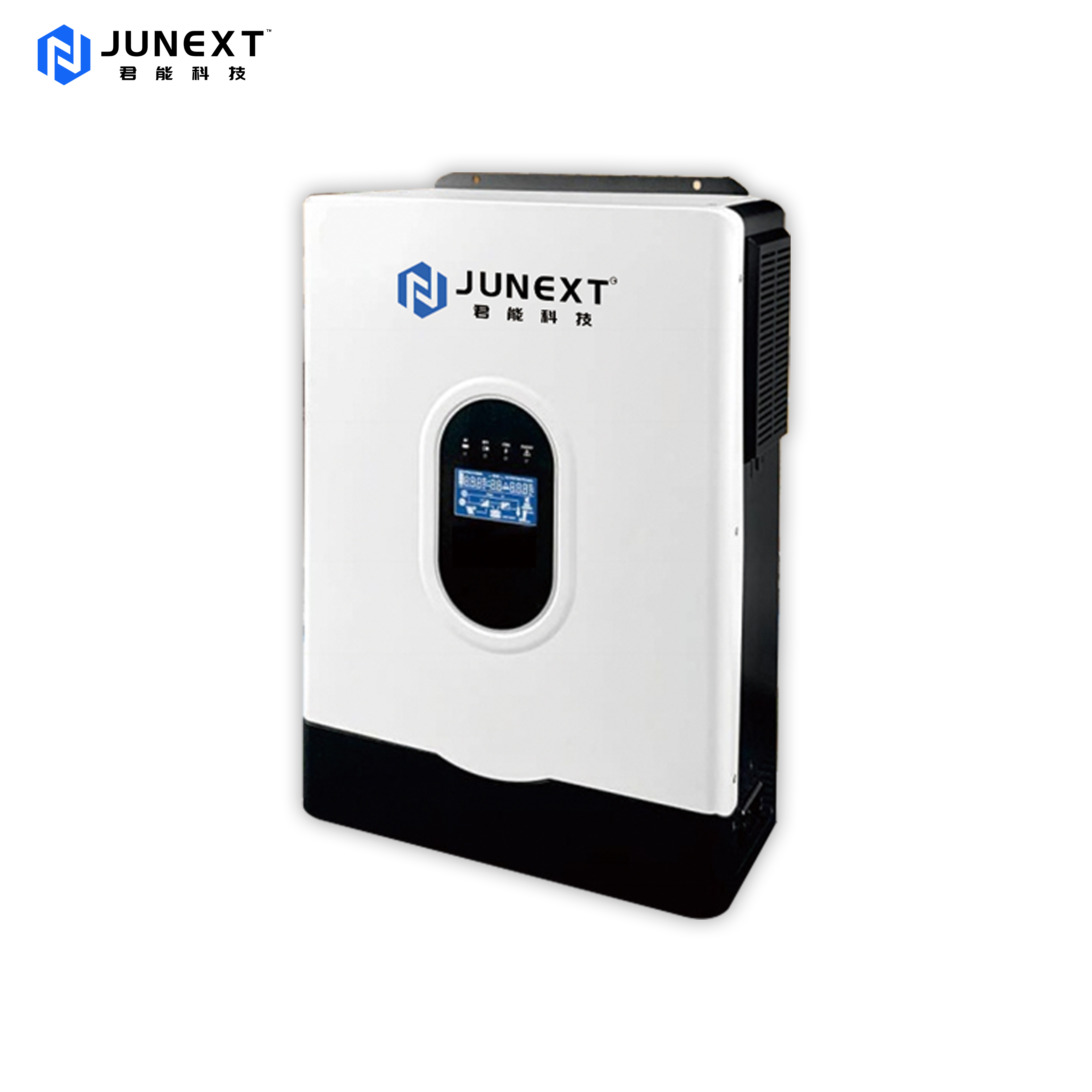
Relevant product directions.
These products provide a starting point, not an automatic compatibility approval. Confirm the exact model revision and system architecture.
Turn this direction into a project brief.
Send the destination market, load list, surge demand, target runtime, PV information and installation context for model-specific review.
Build a project brief